More Isn’t Always Better: Why the Right Respondents Matter More Than the Most

By: Shaniece N. Fullove, MPA
More data doesn’t always mean better data. It feels like it should. More responses, more opinions, more insight, right? Not exactly.
In marketing research, especially in cannabis, the goal is not to hear from everyone. It is good to hear from the right people. Because when you miss that, you are not just collecting extra data, you are collecting the wrong story.
The wrong story can lead to the wrong decisions. It can shift how you position your product, how you speak to your audience, and even what you choose to build next. What looks like a strong set of results on the surface can quickly fall apart when you realize the voices behind it were never the ones that truly mattered.
🌿 The Assumption: More Is Better
On the surface, it makes sense.
If 50 responses give you insight, then 500 should give you more. And 5,000? Even better.
But here’s the problem:
Not every response is equally valuable.
If your survey is being filled out by people who:
Don’t actually use cannabis
Don’t shop your category
Don’t understand your product
Then what you’re collecting isn’t insight — it’s noise.
And noise leads to bad decisions.
🎯 The Reality: Relevance Over Volume
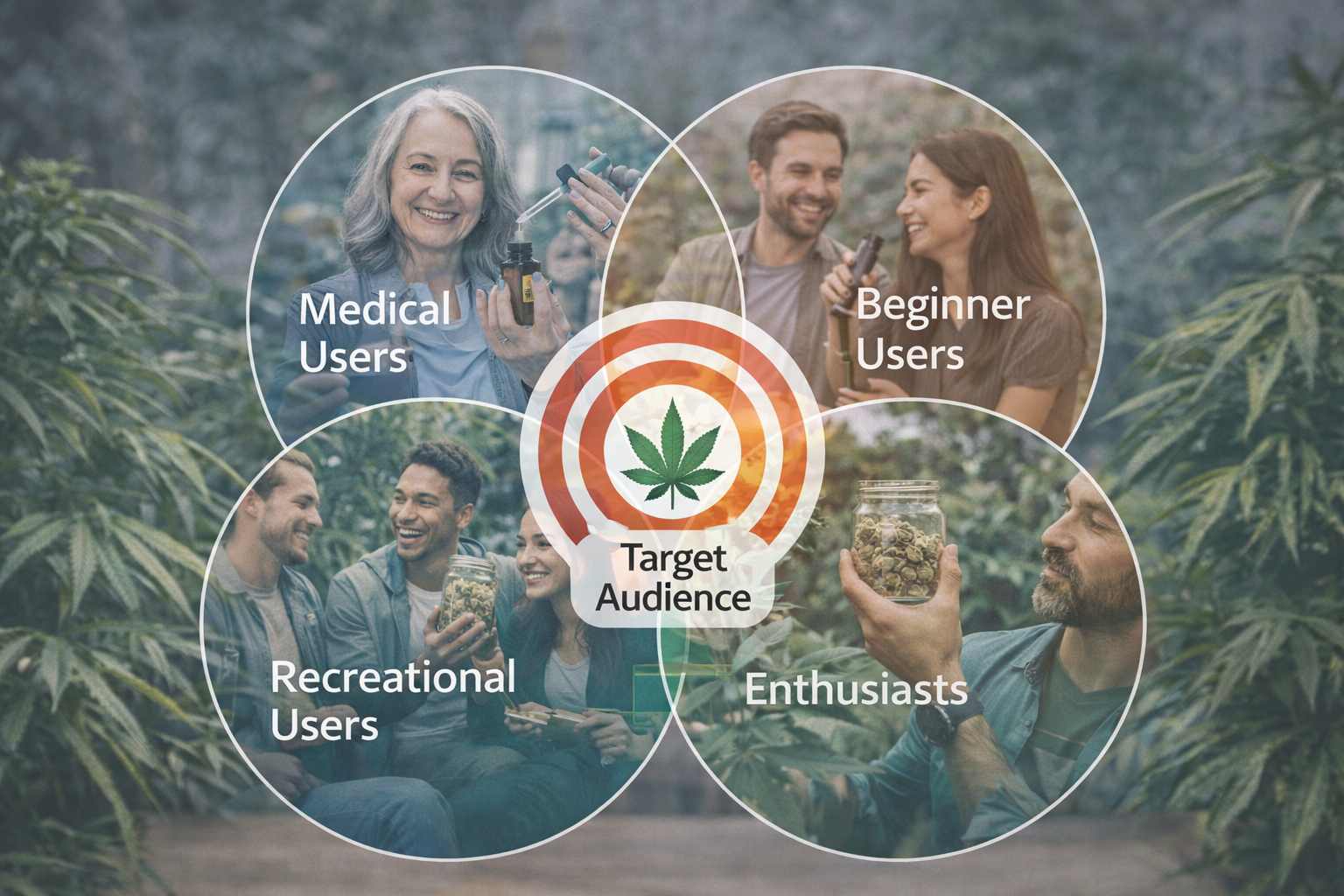
Good research isn’t about how many people respond.
It’s about who is responding.
Let’s say you’re building a new edible product designed for experienced consumers.
Now imagine your survey results are filled with feedback from people who:
Have never tried edibles
Are unsure about THC vs. CBD
Only purchase occasionally, if at all
That data might look full.
But it’s not useful.
Because it’s not coming from the people you’re actually building for.
“The goal isn’t to collect more opinions, it’s to collect the right ones.” – Fullove
🧠 Why This Matters More in Cannabis
Cannabis isn’t a one-size-fits-all market.
You’re speaking to:
First-time users
Medical patients
Lifestyle consumers
High-frequency buyers
Each group shops differently. Thinks differently. Trusts differently.
So when you open your survey up to “everyone,” you blur those differences.
And when everything starts to blur, your strategy does too.
This is how brands end up:
Over-explaining to experienced users
Under-educating new consumers
Building products that don’t fully satisfy anyone
⚖️ Small, Focused, and Intentional
A smaller, targeted group will almost always outperform a larger, unfocused one.
Because focused research gives you:
Clearer patterns → responses actually align
Stronger insights → fewer contradictions, more direction
Better decisions → built on relevance, not assumption
Think of it like this:
You don’t need 1,000 random opinions.
You need 100 aligned ones.

💡 How to Get the Right Respondents
If you want better research, start by tightening your audience.
Ask yourself:
Who is this product actually for?
Who is most likely to purchase it?
Who has experience with this category?
Then build your survey around them.
That might mean:
Filtering responses by usage level
Targeting specific customer segments
Limiting access to your survey intentionally
Yes — limiting.
Because the goal isn’t reached.
Its relevance.
🌱 Better Inputs, Better Outcomes
At the end of the day, your research is only as strong as the people behind it.
If the input is off, the insight will be off.
And if the insight is off, the strategy won’t land.
Especially in cannabis, where trust, education, and experience shape everything, you can’t afford to guess based on the wrong crowd.
More responses don’t guarantee better research.
The right respondents do.
Because when you listen to the right people, your data gets clearer, your strategy gets sharper, and your brand moves with intention, not assumption.