Designed to Flow: Understanding What Makes a Website Actually Work
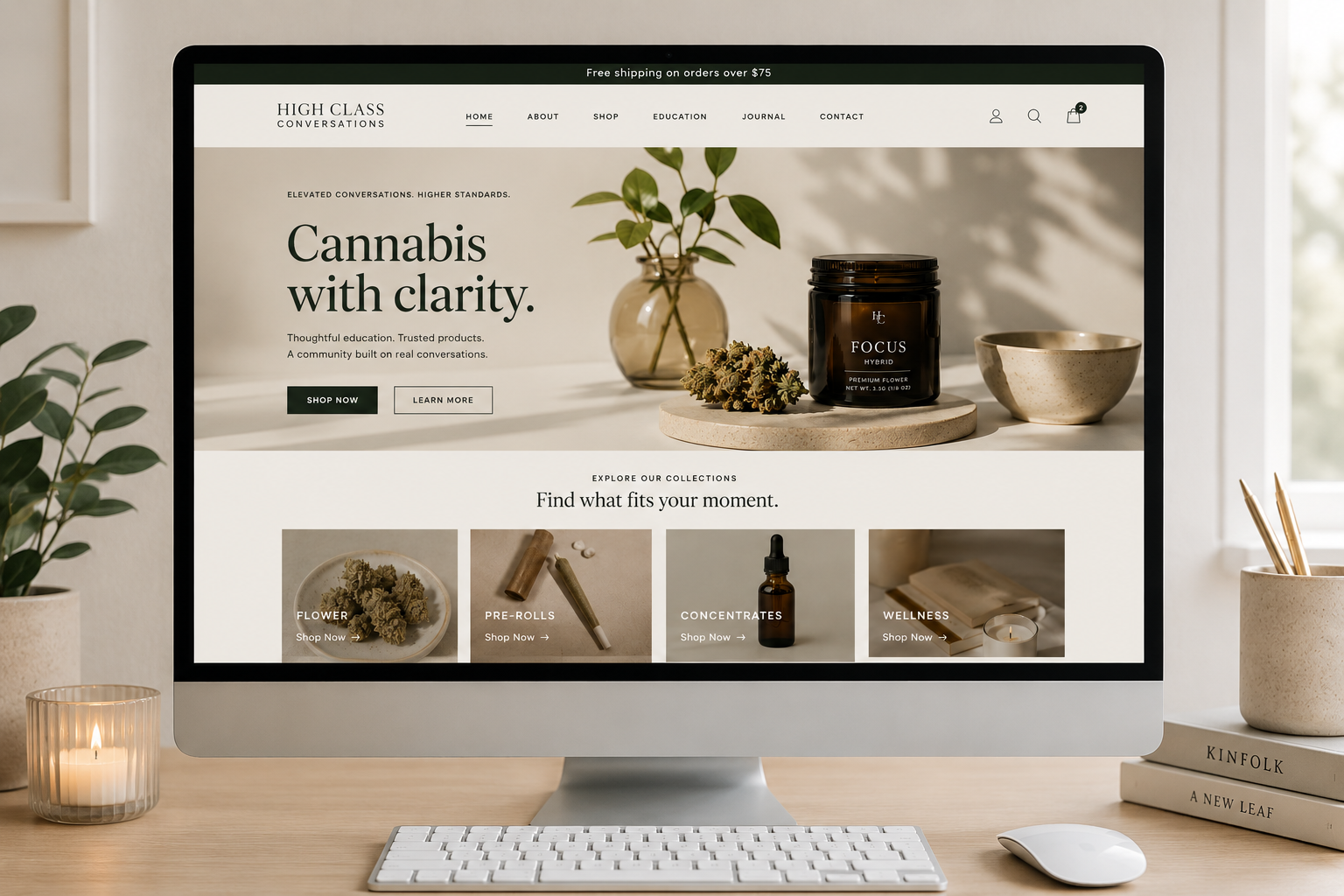
By: Shaniece N. Fullove, MPA
May 8th, 2026
The difference between a good website and a frustrating one usually comes down to one thing: flow. Some websites instantly feel easy to move through. Others make you want to leave within seconds. In today’s digital world, brands are not only competing on products anymore. They are competing on experience.
Good web design is not just about visuals. It is about helping people move naturally from curiosity to action. Whether someone is browsing from a laptop during work hours or scrolling from their phone late at night, the experience should feel smooth, clear, and intentional.
🌿 Why Usability Matters
One of the biggest principles behind strong web design is usability. Can people quickly understand what the brand offers? Can they find what they need without confusion? Can they navigate the site without feeling overwhelmed?
The best websites keep things simple. Navigation is clear, layouts feel organized, and visuals support the experience instead of distracting from it. Strong design often feels effortless because every detail has a purpose.
A cluttered website creates friction. A clean website builds confidence.
📱 Desktop and Mobile Should Feel Connected

Modern consumers move between devices constantly. Someone might discover a brand on mobile, revisit it later on desktop, and finally make a purchase from their tablet. Because of that, websites need to feel consistent across every screen size.
Good mobile design includes:
Fast loading speeds
Easy-to-read text
Clear navigation menus
Trust Symbols
Images/ video that resize properly across devices
A website may look beautiful on desktop, but if the mobile version feels broken or difficult to use, customers will leave quickly. Mobile-first thinking is no longer optional. It is part of modern ecommerce.
🧠 Design Builds Trust
People look for reassurance while shopping online, especially within industries like cannabis where education and trust still matter heavily.
Simple details like customer reviews, organized product categories, clean visuals, and visible support information help consumers feel more comfortable engaging with the brand.
Even something as small as poor spacing or overwhelming pop ups can make a website feel less trustworthy.
“The easier a website feels to use, the easier it becomes to trust the brand behind it.” – Fullove
🎯 Designing for Conversion
Every website is ultimately designed to encourage action. That action could be making a purchase, signing up for emails, booking a service, or continuing to explore the brand.
Strong websites guide users naturally toward the next step through thoughtful layouts, clear buttons, engaging visuals, and intentional page flow.
The best digital experiences never feel pushy. They simply make the next step feel obvious.
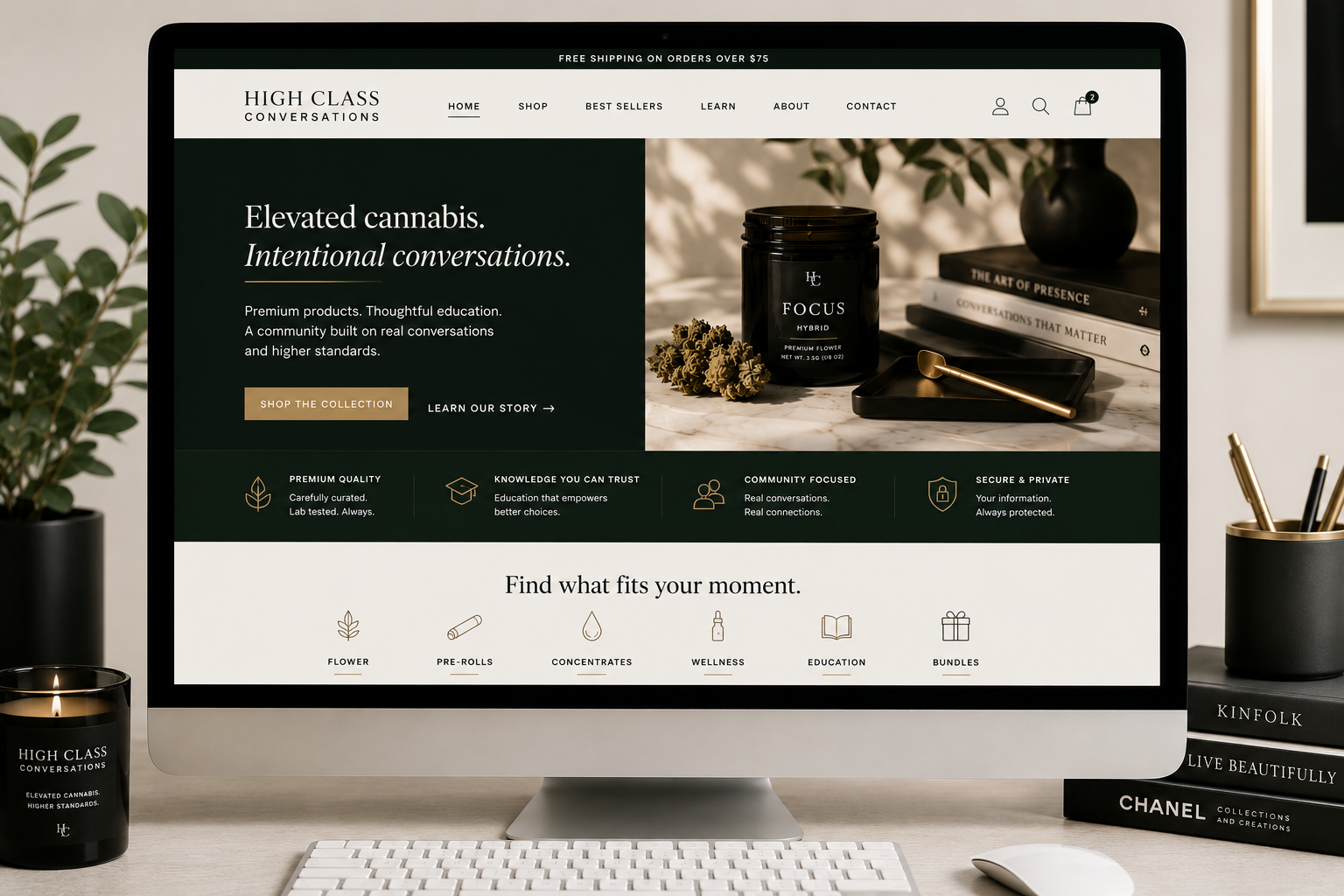
🌱 Why This Matters
A website is often the first interaction someone has with a brand. Before a customer visits a store or makes a purchase, they are already forming opinions based on the digital experience.
That means a website is more than a homepage. It is a brand’s first impression, storefront, trust builder, and customer experience all at once.
Understanding the foundations of good web design is one thing. Seeing it executed in real time is another.
Read Next: Design You Can Feel: Lessons from Session Goods’ Effortless Web Experience